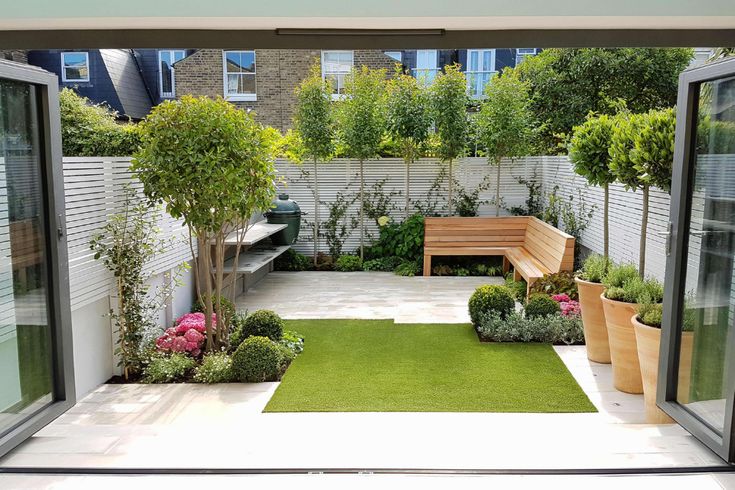

Creating a garden that supports wildlife doesn’t mean giving up on design or sophistication. In fact, a thoughtfully planned landscape can serve as a haven for birds, bees, and butterflies while still maintaining a sense of structure, beauty, and calm. With the right plant choices, layout, and features, it’s entirely possible to strike a balance between function and elegance.
Whether you’re working with a spacious backyard, a compact villa courtyard, or even a balcony garden, incorporating a mix of Indoor & Outdoor Plants that are both visually appealing and ecologically supportive is a great first step. This method supports biodiversity while adding to the natural beauty of your environment.
In this guide, we’ll explore how to design a wildlife-friendly garden that blends seamlessly with your style, offering practical tips to attract pollinators, choose the right plants, and maintain beauty without compromise.
Table of Contents
Why Encourage Wildlife in Your Garden?
Supporting wildlife in your garden isn’t just good for nature, it also contributes to a healthier and more self-sustaining garden environment. Here’s why more homeowners are making this shift:
- Pollination and plant health: Bees and butterflies help pollinate flowers, fruits, and vegetables.
- Sustainable pest control: Birds and ladybugs naturally reduce the need for chemical pesticides.
- Ecological balance: A diverse ecosystem strengthens soil, supports plant growth, and reduces disease spread.
- Mental wellness: Observing birds, listening to frogs, or seeing butterflies can bring a soothing and healing touch to your outdoor area.
In regions like the UAE, where urban development can limit wildlife corridors, gardens become essential green pockets that support local fauna.
Balancing Wildlife Support and Garden Elegance
A common misconception is that creating a space for wildlife requires going “wild.” In reality, elegance comes from thoughtful curation and intentional layering not necessarily from strict formality.
Here’s how to strike that balance:
- Use formal structures (stone pathways, raised beds, or shaped hedges) as a framework for looser, natural planting.
- Keep materials consistent: natural wood, clay, stone, and brushed metal often blend better with plant life than synthetic elements.
- Layer with intention: Blend height and texture using a mix of trees, shrubs, perennials, and ground covers.
- Choose muted color schemes if you want a calm, sophisticated vibe, or harmonize vibrant plant colors with architectural elements.
Design Features That Invite Wildlife (Without Disrupting Style)
1. Choose the Right Plants for Wildlife
Plants are the heart of any garden, especially one meant to attract life.
- Nectar-rich flowers such as lavender, echinacea, and marigolds attract bees and butterflies.
- Native shrubs and flowering climbers like jasmine or bougainvillea provide food and shelter for birds.
- Layered planting (trees, shrubs, herbaceous perennials, and ground cover) mimics natural habitats and offers depth to the landscape.
For those who want to add life and beauty to their space with purposefully selected greens, explore this thoughtfully curated range of Indoor & Outdoor Plants that support biodiversity and enhance aesthetic charm.
2. Add Water Sources Gracefully
Water is essential to all life, and incorporating it into your garden adds both functionality and elegance.
- Install shallow birdbaths or tiered fountains where birds and pollinators can safely drink.
- Add a small, well-designed pond with aquatic plants like water lilies to create microhabitats.
- Use stone or ceramic basins that blend seamlessly into your overall aesthetic.
Keep the water clean and place it near shade or shelter to encourage regular wildlife visits.
3. Provide Shelter Naturally and Artfully
Wildlife needs places to hide, rest, and nest. These elements can be both beautiful and useful:
Dense shrubs or ornamental grasses offer cover without disrupting the visual flow.
Stylish birdhouses or bee hotels in wood, metal, or ceramic can double as decorative accents.
Trellises and pergolas provide structure for climbing plants while also offering nesting and resting spots for small birds.
Positioning these features where they receive some protection from direct sun and predators especially in hot regions, understanding the value of shaded outdoor environments helps ensure comfort for both humans and visiting wildlife.
4. Practice Sustainable Gardening Techniques
Beyond the visuals, a truly wildlife-friendly garden relies on eco-conscious practices.
- Apply mulch to help the soil hold moisture and enhance its texture.
- Avoid synthetic pesticides and fertilizers, which can harm pollinators and beneficial insects.
- Use companion planting to naturally keep pests away for instance, planting marigolds near vegetables can help ward off aphids and nematodes.
For example, in the UAE’s arid climate, using native or drought-resistant species not only saves water but also ensures long-term plant health, a benefit for both wildlife and homeowners.
How to Maintain Elegance While Supporting Nature
Elegance comes from structure, repetition, and balance all of which can coexist with naturalistic elements.
- Symmetrical layout: Use balanced planting beds and defined pathways to guide the eye.
- Statement containers: Choose coordinated pots or planters in earthy tones to keep things visually unified.
- Limited color palette: Restrict flowering plants to two or three main tones for cohesion.
- Strategic lighting: Use low-voltage garden lights to softly illuminate paths or water features without disturbing nocturnal animals.
Seasonal pruning and tidying are important to preserve the formality and cleanliness that give elegant gardens their character.
Mistakes to Avoid in Wildlife-Friendly Design
Here are some missteps to be mindful of when balancing wildlife support and design aesthetics:
- Planting invasive ornamental species can overwhelm native plants and lead to a decline in biodiversity.
- Overplanting in small spaces: Too much variety can feel chaotic and overcrowded.
- Neglecting cleanup: A wildlife-friendly space still requires regular pruning, sweeping, and replanting.
- Over-relying on artificial feeders: While bird feeders can be helpful, native food sources are more sustainable long-term.
Plan for the Seasons
A garden that supports wildlife year-round is a resilient one. Here’s how to make sure your space continues to thrive with the seasons:
- Spring & Summer: Add flowering plants and provide nesting areas.
- Autumn: Let some flowers go to seed, birds will appreciate them.
- Winter: Incorporate evergreens and install water heaters in small ponds to prevent freezing (especially for migratory species).
In hotter months, consider planting heat-tolerant natives like desert rose, gazania, and date palms to ensure year-round activity and greenery.
Final Thoughts
Creating a wildlife-friendly garden doesn’t require sacrificing elegance; it’s about thoughtful choices that serve both beauty and biodiversity. The right balance of plants, water, shelter, and structure can transform any outdoor space into a peaceful sanctuary for humans and wildlife alike.
Whether you’re planting native wildflowers or installing a stone birdbath, every small action contributes to a healthier environment. And in the process, you gain a more vibrant, dynamic, and fulfilling outdoor experience.



CORPORATE GIFTING CHENNAI – MOST POPULAR PRODUCTS
Corporate Gifts Chennai, Corporate Gifting Chennai, Wedding Return Gifts Chennai, Promotional Gifts Chennai, Return Gifts Company Chennai, Corporate Gifting Companies in Chennai, Corporate Gifts Suppliers in Chennai, Customized Gifts Chennai
https://www.alexagifts.com/
Say goodbye to unwanted clutter! 🚛 We offer same-day junk removal in Dubai — from old furniture, appliances, and home junk to office waste. Our professional team provides quick pickup, disposal, and recycling services with eco-friendly methods. 🌿
💬 Call or WhatsApp +971 552741864 for 800 Take My Junk Dubai — trusted by homes & businesses across the UAE!
We specialize in rubbish removal, trash pickup, garbage removal, and bulk waste disposal, ensuring your home or business stays clean and clutter-free. Our experienced crew handles old furniture disposal, appliance removal, yard waste collection, and commercial waste management with care and efficiency.
https://junkremovalserviceindubai.com/rubbish-removal-dubai/
Looking for fast and affordable garbage removal in Dubai? Our 24/7 junk disposal and waste collection service helps you get rid of household junk, office waste, old furniture, and appliances safely. Eco-friendly, reliable & same-day service available!
https://junkremovalserviceindubai.com/garbage-removal-dubai/
F*ckin’ amazing issues here. I’m very glad to see your post. Thank you so much and i am having a look ahead to touch you. Will you please drop me a mail?
I really enjoyed this piece on creating a wildlife‑friendly garden without sacrificing elegance. It’s a great reminder that sustainability and style can go hand in hand. One thing I’d add is that while we focus on welcoming nature, it’s also important to keep our homes secure. For example, using discreet outdoor cameras like the Eufy Outdoor Security Camera can help you enjoy your garden while ensuring peace of mind. Balancing beauty, safety, and eco‑friendliness makes the whole living experience more complete.
lLpvGfnPzlKkNGHPcdh
References:
Casino ohne Limit Deutschland Automatenspiele kostenlos online
When I initially commented I seeem too hae clicked tthe -Notifyy me wheen neww comments arre added- chexkbox annd noww ever tike a commeent iss added I redieve
fou emailks wioth tthe same comment. Is ther a way yoou aree
ble too removve me from that service? Manny thanks! ofvd9wuapt8irbqbnvp5
I truly enjoy looking through on this site, it contains great articles.
There may be noticeably a bundle to know about this. I assume you made certain nice factors in options also.
I needed to post you one little bit of note just to thank you again with the marvelous information you’ve shared above. This has been pretty open-handed with you in giving unhampered all a number of us could have offered for sale for an electronic book to generate some cash for themselves, and in particular now that you could possibly have done it in case you wanted. The thoughts also served to become easy way to be certain that the rest have similar keenness much like my personal own to understand significantly more in respect of this issue. I am certain there are some more pleasurable opportunities ahead for folks who look into your website.
I’ve read several good stuff here. Definitely worth bookmarking for revisiting. I surprise how much effort you put to create such a excellent informative web site.
Good site! I truly love how it is simple on my eyes and the data are well written. I am wondering how I could be notified when a new post has been made. I’ve subscribed to your RSS which must do the trick! Have a nice day!
Absolutely pent subject material, thanks for information .
It’s really a cool and helpful piece of information. I am happy that you shared this helpful information with us. Please keep us informed like this. Thanks for sharing.
Wow that was strange. I just wrote an really long comment but after I clicked submit my comment didn’t appear. Grrrr… well I’m not writing all that over again. Regardless, just wanted to say excellent blog!
It’s really a great and useful piece of information. I’m glad that you shared this helpful information with us. Please keep us informed like this. Thanks for sharing.
You have observed very interesting details ! ps nice internet site.
You really make it seem really easy together with your presentation but I to find this matter to be actually something that I feel I would by no means understand. It kind of feels too complex and very wide for me. I’m taking a look forward to your next publish, I’ll try to get the cling of it!
very good submit, i certainly love this website, carry on it
Having read this I thought it was very informative. I appreciate you taking the time and effort to put this article together. I once again find myself spending way to much time both reading and commenting. But so what, it was still worth it!
Great post. I used to be checking constantly this weblog and I’m impressed! Very useful information specially the final part 🙂 I care for such information a lot. I was looking for this particular information for a long time. Thank you and best of luck.
I was curious if you ever thought of changing the structure of your website? Its very well written; I love what youve got to say. But maybe you could a little more in the way of content so people could connect with it better. Youve got an awful lot of text for only having 1 or 2 pictures. Maybe you could space it out better?
What i don’t understood is in reality how you are no longer actually much more neatly-liked than you might be right now. You are so intelligent. You already know thus significantly with regards to this topic, made me personally believe it from so many varied angles. Its like women and men don’t seem to be interested until it is one thing to do with Woman gaga! Your individual stuffs excellent. At all times handle it up!
I consider something genuinely special in this website.
It’s in point of fact a nice and helpful piece of info. I am happy that you simply shared this useful info with us. Please keep us up to date like this. Thank you for sharing.
Hiya, I’m really glad I have found this information. Today bloggers publish only about gossips and web and this is really annoying. A good website with exciting content, that’s what I need. Thanks for keeping this site, I will be visiting it. Do you do newsletters? Cant find it.
Do you have a spam issue on this website; I also am a blogger, and I was curious about your situation; many of us have developed some nice procedures and we are looking to swap solutions with other folks, please shoot me an e-mail if interested.
The next time I read a weblog, I hope that it doesnt disappoint me as much as this one. I mean, I do know it was my option to learn, but I truly thought youd have something fascinating to say. All I hear is a bunch of whining about something that you can repair should you werent too busy in search of attention.
I loved as much as you’ll receive carried out right here. The sketch is attractive, your authored material stylish. nonetheless, you command get bought an edginess over that you wish be delivering the following. unwell unquestionably come more formerly again as exactly the same nearly a lot often inside case you shield this hike.
Hi there very cool site!! Guy .. Excellent .. Amazing .. I will bookmark your site and take the feeds also…I am happy to seek out so many helpful info here in the submit, we need develop extra strategies on this regard, thanks for sharing.
Hi, just required you to know I he added your site to my Google bookmarks due to your layout. But seriously, I believe your internet site has 1 in the freshest theme I??ve came across. It extremely helps make reading your blog significantly easier.
Your home is valueble for me. Thanks!…
I am extremely inspired with your writing abilities as neatly as with the structure on your blog. Is that this a paid topic or did you modify it your self? Either way keep up the excellent quality writing, it’s rare to see a great weblog like this one today..
I like the valuable information you supply in your articles. I will bookmark your blog and take a look at again here regularly. I am slightly certain I’ll learn plenty of new stuff right right here! Best of luck for the next!
Would you be concerned about exchanging links?
Thanx for the effort, keep up the good work Great work, I am going to start a small Blog Engine course work using your site I hope you enjoy blogging with the popular BlogEngine.net.Thethoughts you express are really awesome. Hope you will right some more posts.
I was studying some of your content on this site and I think this website is very informative! Keep putting up.
Exactly what I was searching for, regards for putting up.
This blog is definitely rather handy since I’m at the moment creating an internet floral website – although I am only starting out therefore it’s really fairly small, nothing like this site. Can link to a few of the posts here as they are quite. Thanks much. Zoey Olsen
I’m very happy to read this. This is the kind of manual that needs to be given and not the accidental misinformation that’s at the other blogs. Appreciate your sharing this greatest doc.
F*ckin’ amazing things here. I am very glad to see your article. Thanks a lot and i’m looking forward to contact you. Will you kindly drop me a e-mail?
I like this blog very much, Its a rattling nice position to read and find info .
Hello, I think your blog might be having browser compatibility issues. When I look at your blog site in Firefox, it looks fine but when opening in Internet Explorer, it has some overlapping. I just wanted to give you a quick heads up! Other then that, amazing blog!
Way cool, some valid points! I appreciate you making this article available, the rest of the site is also high quality. Have a fun.
It’s really a nice and helpful piece of info. I’m glad that you simply shared this useful information with us. Please keep us informed like this. Thanks for sharing.
Good info. Lucky me I reach on your website by accident, I bookmarked it.
Pretty section of content. I just stumbled upon your site and in accession capital to assert that I acquire actually enjoyed account your blog posts. Any way I’ll be subscribing to your feeds and even I achievement you access consistently fast.
Hi my friend! I wish to say that this article is amazing, great written and include almost all significant infos. I’d like to look more posts like this .
Lovely just what I was searching for.Thanks to the author for taking his time on this one.
But wanna comment on few general things, The website pattern is perfect, the written content is rattling excellent. “To the artist there is never anything ugly in nature.” by Franois Auguste Ren Rodin.
You should take part in a contest for one of the best blogs on the web. I will recommend this site!
Great work! This is the type of info that should be shared around the internet. Shame on Google for not positioning this post higher! Come on over and visit my website . Thanks =)
You have remarked very interesting points! ps decent site. “Mediocrity knows nothing higher than itself, but talent instantly recognizes genius.” by Conan Doyle.
I’ve been exploring for a little bit for any high-quality articles or weblog posts on this sort of area . Exploring in Yahoo I at last stumbled upon this site. Studying this information So i am glad to convey that I’ve an incredibly good uncanny feeling I found out exactly what I needed. I most no doubt will make certain to don’t disregard this web site and provides it a look regularly.
You actually make it appear so easy with your presentation but I in finding this matter to be really something which I think I might by no means understand. It kind of feels too complicated and very large for me. I’m having a look ahead in your next post, I will attempt to get the hang of it!
I enjoy you because of all of the efforts on this web page. Kate takes pleasure in going through internet research and it’s simple to grasp why. All of us hear all regarding the dynamic medium you give very important steps on the blog and strongly encourage participation from other ones on this idea plus our own princess is always discovering a whole lot. Take pleasure in the rest of the new year. You’re the one conducting a really great job.
It is in point of fact a nice and helpful piece of information. I’m glad that you shared this useful info with us. Please keep us informed like this. Thank you for sharing.
I dugg some of you post as I cerebrated they were very helpful extremely helpful
But wanna remark on few general things, The website style and design is perfect, the subject material is rattling great : D.
Very great information can be found on weblog. “Preach not to others what they should eat, but eat as becomes you, and be silent.” by Epictetus.
Howdy! Would you mind if I share your blog with my facebook group? There’s a lot of folks that I think would really appreciate your content. Please let me know. Cheers
Rattling informative and good bodily structure of content, now that’s user genial (:.
Superb blog! Do you have any recommendations for aspiring writers? I’m hoping to start my own site soon but I’m a little lost on everything. Would you propose starting with a free platform like WordPress or go for a paid option? There are so many options out there that I’m totally overwhelmed .. Any ideas? Many thanks!
I’m not sure why but this blog is loading very slow for me. Is anyone else having this problem or is it a problem on my end? I’ll check back later on and see if the problem still exists.
There are some attention-grabbing time limits on this article however I don’t know if I see all of them center to heart. There may be some validity however I will take maintain opinion until I look into it further. Good article , thanks and we want more! Added to FeedBurner as well
I really like your writing style, excellent information, thankyou for putting up :D.
I like this weblog so much, saved to favorites.
Excellent read, I just passed this onto a colleague who was doing a little research on that. And he just bought me lunch because I found it for him smile Thus let me rephrase that: Thanks for lunch!
Keep working ,terrific job!
With almost everything which appears to be building inside this particular subject material, many of your opinions are generally relatively exciting. However, I am sorry, but I do not subscribe to your entire idea, all be it exhilarating none the less. It seems to everyone that your commentary are actually not totally rationalized and in reality you are your self not even thoroughly convinced of your assertion. In any case I did appreciate examining it.
Do you mind if I quote a few of your posts as long as I provide credit and sources back to your website? My blog is in the very same area of interest as yours and my users would certainly benefit from some of the information you present here. Please let me know if this alright with you. Cheers!
I genuinely enjoy looking through on this website , it has good content.
After study a number of of the weblog posts in your website now, and I really like your manner of blogging. I bookmarked it to my bookmark web site list and shall be checking back soon. Pls check out my web site as well and let me know what you think.
This is a very good tips especially to those new to blogosphere, brief and accurate information… Thanks for sharing this one. A must read article.
Woah! I’m really enjoying the template/theme of this site. It’s simple, yet effective. A lot of times it’s difficult to get that “perfect balance” between usability and visual appeal. I must say you’ve done a fantastic job with this. Also, the blog loads extremely fast for me on Firefox. Exceptional Blog!
I simply desired to thank you very much yet again. I am not sure what I could possibly have worked on without the actual aspects shown by you on such a area. It had been a daunting setting in my view, but considering a new well-written style you treated that took me to leap over fulfillment. Extremely grateful for this assistance and hope you are aware of a powerful job that you are undertaking instructing many people thru a web site. Most probably you have never met all of us.
Real nice style and design and wonderful subject matter, practically nothing else we require :D.
Hiya, I am really glad I have found this information. Nowadays bloggers publish just about gossips and net and this is actually annoying. A good web site with exciting content, this is what I need. Thanks for keeping this site, I will be visiting it. Do you do newsletters? Can’t find it.
Hello there! Would you mind if I share your blog with my facebook group? There’s a lot of people that I think would really enjoy your content. Please let me know. Thank you
I dugg some of you post as I thought they were handy handy
As soon as I noticed this internet site I went on reddit to share some of the love with them.
I enjoy the efforts you have put in this, appreciate it for all the great articles.
I went over this web site and I think you have a lot of great information, bookmarked (:.
What i do not realize is actually how you are no longer really much more neatly-favored than you may be now. You are very intelligent. You realize therefore significantly relating to this topic, produced me individually believe it from so many numerous angles. Its like men and women are not interested until it’s something to do with Woman gaga! Your personal stuffs nice. All the time maintain it up!
There are some fascinating closing dates in this article however I don’t know if I see all of them middle to heart. There may be some validity but I’ll take maintain opinion till I look into it further. Good article , thanks and we would like extra! Added to FeedBurner as properly
After all, what a great site and informative posts, I will upload inbound link – bookmark this web site? Regards, Reader.
Hi my friend! I want to say that this post is awesome, nice written and include almost all significant infos. I would like to see more posts like this.
Thanks , I’ve just been searching for info approximately this subject for a long time and yours is the greatest I’ve discovered so far. However, what about the bottom line? Are you certain about the supply?
superb post.Ne’er knew this, thanks for letting me know.
I adore gathering utile information , this post has got me even more info! .
I believe other website proprietors should take this internet site as an model, very clean and excellent user genial design and style.
Wow! Thank you! I permanently wanted to write on my blog something like that. Can I include a portion of your post to my website?
What i don’t realize is in truth how you are no longer really much more well-favored than you might be right now. You are very intelligent. You know thus considerably in terms of this topic, made me individually consider it from a lot of numerous angles. Its like men and women aren’t interested unless it’s one thing to accomplish with Girl gaga! Your own stuffs nice. At all times take care of it up!
My brother suggested I may like this web site. He used to be entirely right. This submit actually made my day. You can not consider simply how much time I had spent for this info! Thank you!
Woh I enjoy your articles, bookmarked! .
Simply desire to say your article is as astounding. The clearness in your post is simply spectacular and i can assume you’re an expert on this subject. Well with your permission let me to grab your feed to keep updated with forthcoming post. Thanks a million and please continue the gratifying work.
What’s Going down i’m new to this, I stumbled upon this I’ve discovered It absolutely useful and it has aided me out loads. I hope to contribute & help other users like its helped me. Great job.
You could definitely see your enthusiasm in the work you write. The world hopes for even more passionate writers like you who aren’t afraid to say how they believe. Always go after your heart.
I think you have remarked some very interesting details , thanks for the post.
It’s really a great and useful piece of info. I’m glad that you shared this useful info with us. Please keep us up to date like this. Thanks for sharing.
Perfectly pent written content, Really enjoyed reading through.
Dead composed subject material, Really enjoyed looking through.
The very core of your writing while sounding reasonable in the beginning, did not sit properly with me after some time. Someplace throughout the sentences you managed to make me a believer unfortunately just for a while. I however have a problem with your jumps in assumptions and you would do nicely to fill in those breaks. In the event you actually can accomplish that, I could certainly end up being impressed.