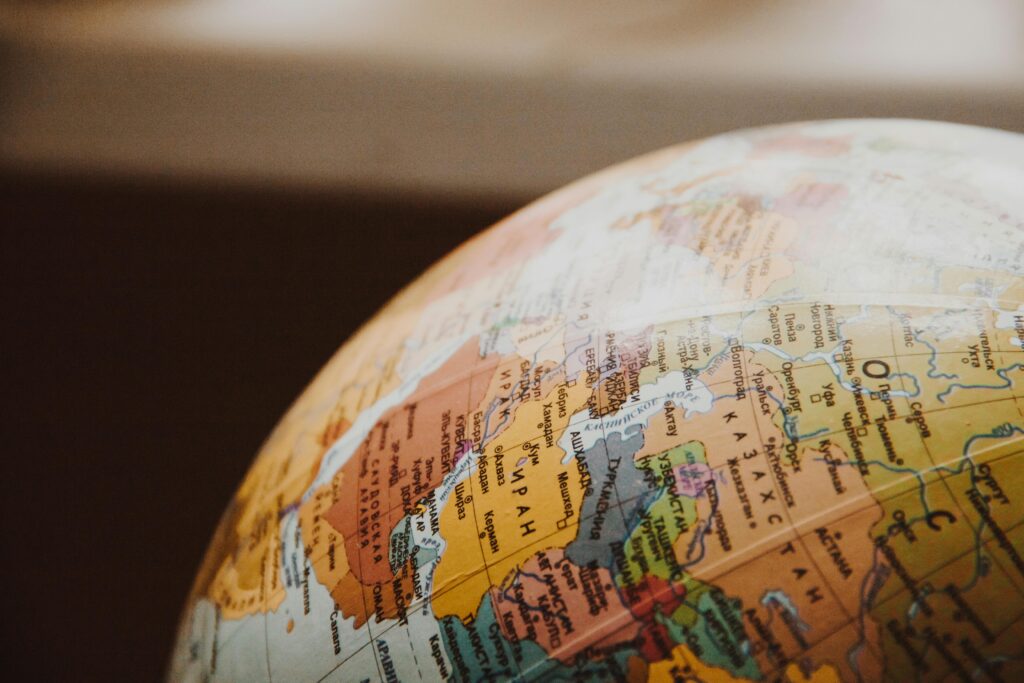

For new travellers or those who are familiar with the idea of travel, it’s very common not to dedicate some time to learning the native tongue of the country you are entering. But this year is also about bettering ourselves and challenging our ability to communicate to make our lives not only easier in those awkward social situations but also to pay locals the respect of learning basic phrases in their language.
With tools like Duolingo, endless amounts of YouTube videos and free classes, there is no excuse, really, that you should be able to learn and practice some essential travel phrases. In a sense, you are preparing your future self to better enjoy and interact with your time with new people and the best part is you might already know a few words, such as the basic yes and no, so it’s already an encouraging step in the right direction.
So you might be wondering what essential phrases I have for you, and all I can promise is these words aren’t unrealistic to learn in a matter of days and are a great survival kit to hold onto and use in your time of need.
First, we will begin with the basics and polite words that are the most essential to learn and know.
Table of Contents
Essential Phrases
Hello / Hi: Bounjour (French), Hola (Spanish), Cai (Italian), Hallo (German), Konnichiwa (Japanese), Ahlan / Marhaban (Arabic)
Goodbye / Bye: Au Revoir (French), Adiós (Spanish), Arrivederci / Ciao (Italian), Auf Wiedersehen / Tschüss (German), Sayōnara (Japanese), ‘ila al-liqa’ (Arabic)
Please: S’il vous plait (French), por favour (Spanish), Per favoure (Italian), Bitte (German), Onegaishimasu (Japanese), Min fadilk / min fadlak (Arabic)
Thank You + Very Much: Merci + beaucoup (French), Gracias + muchas (Spanish), Grazie + mille (Italian), Danke + schön / sehr (German), Arigatō + gozaimasu (Japanese), šukran ǧazīlan (Arabic)
Excuse Me: Excusez-moi (French), Disculpe / Perdón (Spanish), Scusi (Italian), Entschuldigung (German), Sumimasen (Japanese), ʿafwan (Arabic) – can also mean “you’re welcome”
Sorry: Désolé(e) / Pardon (French), Lo siento / Perdón (Spanish), Mi scusi / Scusa (Italian), Entschuldigung (German), Gomen nasai (Japanese), ʾāsif / ʾāsifah (Arabic – masculine/feminine)
Yes: Oui (French), Sí (Spanish), Sì (Italian), Ja (German), Hai (Japanese), naʿam (Arabic)
No: Non (French), No (Spanish), No (Italian), Nein (German), Iie (Japanese), lā (Arabic)
Travel Phrases
For direction, navigation and travel safety, it’s great if you could learn these phrases. But also could give you a real confidence boost.
Where is…?: Où est…? (French), ¿Dónde está…? (Spanish), Dov’è…? (Italian), Wo ist…? (German), …wa doko desu ka? (Japanese), ʾayna…? (Arabic)
How do I get to…?: Comment aller à…? (French), ¿Cómo llego a…? (Spanish), Come arrivo a…? (Italian), Wie komme ich nach…? (German), …e ikimasu ka? (Japanese), kayfa ʾaḏhabu ʾilā…? (Arabic)
Is it far? / Is it near?: C’est loin ? / C’est près ? (French), ¿Está lejos? / ¿Está cerca? (Spanish), È lontano? / È vicino? (Italian), Ist es weit? / Ist es nah? (German), Tooi desu ka? / Chikai desu ka? (Japanese), hal huwa baʿīd? / hal huwa qarīb? (Arabic – masculine)
Left / Right / Straight: À gauche / À droite / Tout droit (French), Izquierda / Derecha / Recto (Spanish), Sinistra / Destra / Dritto (Italian), Links / Rechts / Geradeaus (German), Hidari / Migi / Massugu (Japanese), yasār / yamīn / ʿalā ṭ-ṭūl (Arabic)
Stop here, please: Arrêtez-vous ici, s’il vous plaît (French), Pare aquí, por favor (Spanish), Si fermi qui, per favore (Italian), Bitte hier anhalten (German), Koko de tomete kudasai (Japanese), tawaqqaf hunā, min faḍlik / min faḍlak (Arabic – feminine/masculine)
I would recommend putting these phrases into YouTube; as written, they can be confusing, but once you’ve heard them once, seeing them written will not only help when you are reading signs but can also refer to your notes to encourage practising your pronunciation.
Restaurant Essentials
Here are some phrases for when you are wining and dining and want to communicate with the staff, but it’s extremely easy to wait on them and pay them a compliment.
Do you speak English?: Parlez-vous anglais ? (French), ¿Habla inglés? (Spanish), Parla inglese? (Italian), Sprechen Sie Englisch? (German), Eigo o hanasemasu ka? (Japanese), hal tataḥaddaṯ al-ʾinglīziyya? (Arabic – masculine)
I don’t understand: Je ne comprends pas (French), No entiendo (Spanish), Non capisco (Italian), Ich verstehe nicht (German), Wakarimasen (Japanese), lā ʾafham (Arabic)
Please speak slowly: Parlez plus lentement, s’il vous plaît (French), Por favor, hable más despacio (Spanish), Per favore, parli più lentamente (Italian), Bitte sprechen Sie langsamer (German), Motto yukkuri hanashite kudasai (Japanese), takaṯṯar bi-buṭʾ, min faḍlik / min faḍlak (Arabic – feminine/masculine)
How much does this cost?: Combien coûte ceci ? (French), ¿Cuánto cuesta esto? (Spanish), Quanto costa questo? (Italian), Was kostet das? (German), Kore wa ikura desu ka?
(Japanese), kam huwa ṯamanu hāḏā? (Arabic – masculine)
I would like… (to eat/to drink): Je voudrais… (manger/boire) (French), Quisiera… (para comer/para beber) (Spanish), Vorrei… (da mangiare/da bere) (Italian), Ich möchte… (essen/trinken) (German), …o kudasai (…をください) (Japanese), ʾurīdu… + ʾan ʾākula / ʾan ʾašraba) (Arabic)
Water, please: De l’eau, s’il vous plaît (French), Agua, por favor (Spanish), Acqua, per favore (Italian), Wasser, bitte (German), Mizu o kudasai (Japanese), māʾ, min faḍlik / min faḍlak (Arabic – feminine/masculine)
The bill, please: L’addition, s’il vous plaît (French), La cuenta, por favor (Spanish), Il conto, per favore (Italian), Die Rechnung, bitte (German), Okanjō o onegaishimasu (Japanese), al-ḥisāb, min faḍlik / min faḍlak (Arabic – feminine/masculine)
Delicious! / It was good: Délicieux ! / C’était bon (French), ¡Delicioso! / Estaba bueno (Spanish), Delizioso! / Era buono (Italian), Lecker! / Es war gut (German), Oishii! / Oishikatta desu (Japanese), laḏīḏ! / kāna ṭayyiban (Arabic – masculine)
It’s nice to be able to pay a compliment, be clear, and communicate properly with people. When you are on holiday, you will be eating out pretty much every night, so it is essential.
Emergency Phrases
Here are some more emergency essential phrases that I think it’s important for everyone to learn, while the films will make them aware of the English Help, but it’s still better to learn the appropriate term in their native language.
Help!: Au secours ! (French), ¡Ayuda! (Spanish), Aiuto! (Italian), Hilfe! (German), Tasukete! (Japanese), ʾal-nasaʿda! (Arabic)
I need a doctor: J’ai besoin d’un médecin (French), Necesito un médico (Spanish), Ho bisogno di un dottore (Italian), Ich brauche einen Arzt (German), Isha o onegaishimasu (Japanese), ʾaḥtāǧu ʾilā ṭabīb (Arabic)
Police: Police (French), Policía (Spanish), Polizia (Italian), Polizei (German), Keisatsu (Japanese), šurṭa (Arabic)
Emergency: Urgence (French), Emergencia (Spanish), Emergenza (Italian), Notfall (German), Kinkyū (Japanese), ʾiṭārīʾ (Arabic)
Final Thoughts
Beyond communication, there are so many other factors you need to know before travelling to a country, such as celebrations, tipping (key for places like Japan), and the clothing you wear, so when you are going to places such as Dubai and so forth, you are dressed respectfully, especially in places that are of religious importance; it might be worth investing in an abaya or some alternative body coverings. This is just one example of one location where being respectful with your outfits, but also just general etiquette.


It is really a great and helpful piece of information. I’m
happy that you just shared this useful info with
us. Please keep us informed like this. Thanks for sharing. https://R12Imob.store/index.php?page=user&action=pub_profile&id=374895
Do you mind if I quote a couple of your posts as long as
I provide credit and sources back to your weblog? My website is in the very same area of
interest as yours and my visitors would definitely benefit from some of the information you provide here.
Please let me know if this ok with you. Regards!
I loved as much as you’ll receive carried out right here.
The sketch is tasteful, your authored subject matter stylish.
nonetheless, you command get got an nervousness over that you wish be delivering the following.
unwell unquestionably come further formerly again as exactly
the same nearly a lot often inside case you shield this increase.
Wonderful blog! Do you have any tips for aspiring writers?
I’m planning to start my own blog soon but I’m a little lost on everything.
Would you recommend starting with a free platform like WordPress or go for a paid option? There are so many choices out there that I’m totally overwhelmed ..
Any recommendations? Many thanks!
Explore the wonders of travel by visiting the
most beautiful site in the world
,
a destination that captivates visitors with its natural beauty and charm.
https://bdggame.link/
This is the website <a href=https://bdggame.link/"target="bdg game loginfor gamming.
Looking for fast and reliable junk removal in Dubai Marina? Our professional junk removal team provides same-day and free junk pickup services across Dubai Marina for homes, offices and businesses. We specialize in used furniture removal in Dubai Marina, appliance removal in Dubai Marina, waste collection, and construction debris cleanup — making your space clean and clutter-free within hours.
SeeHowCan is a helpful platform that breaks down complex topics into simple, actionable insights. I love how clearly the information is presented, making it easy for anyone to learn and apply new skills. It’s definitely a site worth following for practical tips and smart guidance.
Altrincham Travel Clinic provides specialised travel health services, offering essential vaccinations, travel medicines, and personalised advice for international trips. The clinic helps travellers understand destination-specific health risks and ensures they are fully prepared before travelling. With expert clinicians and convenient appointments, it delivers reliable, professional support for safe and healthy travel.
travel clinic in manchester
qjzbo1
Its like you read my mind! You seem to know so much about this, like you wrote the book in it or something. I think that you could do with some pics to drive the message home a bit, but other than that, this is wonderful blog. An excellent read. I’ll certainly be back.