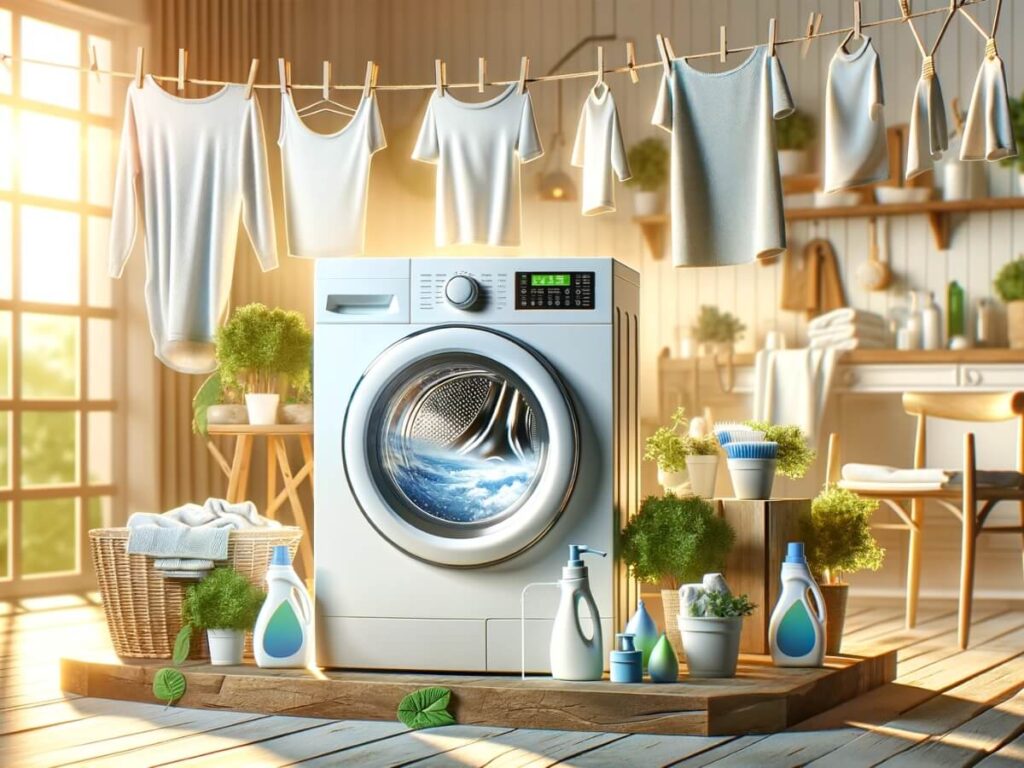

Laundry may be a regular household task, but it’s also among the most energy- and water-consuming chores we do at home. Fortunately, there are simple yet impactful ways to make your laundry routine more sustainable. By adopting eco-friendly laundry habits at home, you not only reduce your carbon footprint but also save money and extend the life of your clothes. This guide outlines easy-to-follow, effective habits that support a greener lifestyle.
Table of Contents
Why Sustainable Laundry Matters
Each time we wash our clothes, we consume significant amounts of water and electricity, release microplastics into water systems, and contribute to environmental waste through synthetic detergents and packaging. Transitioning to sustainable laundry practices can:
- Reduce energy bills
- Protect natural water sources
- Prevent skin irritation from harsh chemicals
- Extend the life of garments, saving money in the long run
Sustainable laundry is not just good for the planet—it’s a healthier, smarter choice for your household.
1. Wash with Cold Water
Washing with cold water is one of the easiest and most effective ways to make your laundry routine more sustainable. Heating water accounts for nearly 90% of the energy consumed during a wash cycle. By switching to cold water, you can significantly reduce your household’s energy use and lower your utility bills without compromising on cleanliness.
Benefits of cold water washing:
- Energy savings: Cold water reduces electricity consumption, which in turn lowers greenhouse gas emissions.
- Fabric preservation: Cold water is gentler on clothing fibers, helping preserve color, shape, and texture. This means your clothes will look newer for longer.
- Safer for most garments: It’s ideal for washing dark, bright-colored, and delicate fabrics, as it reduces the risk of shrinking or color bleeding.
When to use cold water:
- Everyday wear like t-shirts, jeans, and undergarments
- Lightly soiled clothing
- Synthetic fabrics like polyester and nylon
By making cold water your default setting, you contribute to environmental conservation, extend the life of your clothes, and save money—without sacrificing hygiene or performance.
2. Use Natural or Eco-Friendly Detergents
Did you know that most regular laundry detergents are packed with harsh chemicals like phosphates, parabens, artificial fragrances, dyes, and brighteners? These not only irritate sensitive skin but also damage the environment by polluting water and harming aquatic life. Making the switch to a natural or eco-friendly detergent is a small change that makes a big difference for your home and the earth.
Why conventional detergents are harmful:
- Phosphates can cause harmful algal blooms in freshwater
- Fragrances and dyes often contain allergens and are not biodegradable
- Optical brighteners don’t clean better—they only make clothes appear brighter and can linger in water supplies
Benefits of eco-friendly detergents:
- Made from plant-based and biodegradable ingredients
- Free from synthetic additives, making them safer for skin and the environment
- Packaged using recyclable or minimal materials
- Lower toxicity means fewer health and environmental risks
By using natural detergents, you reduce your exposure to harmful chemicals, support eco-conscious brands, and help reduce the release of toxic substances into the environment. It’s a win for your family’s health and the planet.
3. Run Full Loads Only
Washing machines consume a fixed amount of water and energy per cycle, regardless of the load size. Running your machine with full loads is a key step in maximizing efficiency and reducing your environmental impact.
Why full loads are better:
- Water conservation: A full load uses the same amount of water as a half load, but cleans more clothes at once.
- Energy efficiency: Since the machine still uses similar energy per cycle, larger loads mean fewer overall cycles and reduced electricity use.
- Less detergent waste: Washing full loads allows you to optimize the amount of detergent used per garment.
Tips for running effective full loads:
- Sort smartly: Separate laundry by color and fabric type to prevent damage and preserve fabric quality.
- Don’t overload: A full load doesn’t mean overstuffed. Overloading can hinder proper cleaning and strain the machine.
- Establish a laundry schedule: Designate laundry days to build up full loads rather than doing frequent small washes.
- Use a laundry hamper system: Having separate hampers for whites, colors, and delicates helps you build efficient full loads faster.
Adopting the habit of washing only full loads can help you conserve thousands of liters of water and reduce energy usage annually. It’s a small change with big savings—for both the environment and your household budget.
4. Skip the Dryer: Air-Dry Whenever Possible
Using a tumble dryer consumes a significant amount of energy and can be harsh on your clothes, causing shrinkage, fading, or damage over time. Air-drying is a simple and effective alternative that saves energy and extends garment life.
Advantages of air-drying:
- Energy Efficient: Air-drying eliminates the need for electricity or gas, helping reduce energy consumption and lower your carbon footprint.
- Gentler on clothes: Prevents heat-related damage and extends fabric lifespan.
- No static or shrinking: Clothes stay true to size and shape.
How to air-dry effectively:
- Use a drying rack indoors near a window or in a breezy, shaded outdoor spot.
- Hang items on hangers to reduce wrinkles and save ironing time.
- Shake out garments before hanging to ensure a smoother, wrinkle-free finish as they dry.
- For humid climates, use fans or dehumidifiers to speed up indoor drying.
Make air-drying a regular habit—it’s one of the simplest, most impactful steps toward a greener laundry routine.
5. Upgrade Your Equipment Wisely
When replacing your washing machine or dryer, choose models that prioritize energy and water efficiency. Newer machines come with eco settings and smart sensors that adjust resources based on load size.
What to look for:
- ENERGY STAR certification: Verifies high efficiency and environmental performance.
- Choose front-loading machines—they’re usually more efficient in water and energy use than top-loaders.
- Eco-friendly cycles: Engineered to deliver powerful cleaning while using less energy and water.
Maintenance tips for peak performance:
- Clean filters and lint traps monthly.
- Use only the recommended amount of detergent.
- Periodically run cleaning cycles with white vinegar or machine cleaners to remove buildup.
Upgrading your appliances may involve upfront cost, but it pays off in long-term savings and reduced environmental impact.
6. Reduce Microfiber Pollution
Washing synthetic clothes like polyester, nylon, and acrylic releases tiny plastic fibers—microfibers—that flow into waterways and harm marine ecosystems.
How to reduce microfiber release:
- Use a microfiber filter: Attach a filter to your washer or use laundry bags (e.g., Guppyfriend) to capture fibers.
- Use natural textiles—cotton, linen, and hemp—as they shed significantly fewer harmful particles.
- Choose natural fabrics: Cotton, linen, and hemp shed less harmful particles.
- Wash in cold water with shorter cycles: This reduces fabric friction and fiber release.
Limiting microfiber pollution is key to cleaner oceans and a healthier planet.
7. Consider Professional Laundry Services When Needed
Sometimes outsourcing laundry can be more efficient and sustainable than home washing—especially for bulky loads, large items like duvets, or garments requiring special care.
Why professional services can be greener:
- Advanced machines: Use less water and energy than standard home washers.
- Eco-conscious cleaning: Professional laundries often rely on environmentally friendly, non-toxic, and biodegradable detergents.
- Bulk washing: Consolidated loads reduce the total number of wash cycles.
If you’re in Abu Dhabi, consider using eco-conscious laundry services that combine expert care with sustainable practices.
8. Choose Green Laundry Services Wisely
When choosing a laundry provider, go beyond convenience—check their environmental standards.
Questions to ask:
- Do they use biodegradable or plant-based detergents?
- Are their machines energy- and water-efficient?
- Do they offer reusable bags or recyclable packaging?
- Are their staff trained in eco-friendly garment care?
Transparency and clear answers are signs of a truly sustainable service. Supporting such businesses helps promote greener industry standards.
9. DIY Fabric Care & Stain Removal
Eco-friendly doesn’t stop at washing. You can treat stains and soften fabrics naturally at home.
Natural stain removers:
- Lemon juice for sweat and deodorant stains
- Vinegar for coffee or wine spills
- Tackling Oil and Grease with a Baking Soda Paste
Natural fabric softeners:
- White vinegar in the rinse cycle
- Hanging clothes outdoors for freshness
These simple solutions are gentle on both your clothes and the environment.
10. Track and Celebrate Your Impact
Seeing real progress can boost your motivation. Try monitoring your energy and water usage before and after switching to eco-friendly habits.
You’ll likely notice:
- Reduced utility bills
- Longer-lasting clothing
- Less waste (from packaging and fast fashion habits)
These benefits contribute to a healthier home and a greener planet.
Final Thoughts
By making small, consistent changes in how you do your laundry, you can significantly reduce your environmental impact. Sustainable laundry habits like washing with cold water, using natural detergents, running full loads, and air-drying your clothes are not only eco-conscious but also cost-effective.
And when you need a helping hand, don’t hesitate to explore eco-conscious laundry services that support your green lifestyle while providing expert garment care.
FAQs
Q: How can I soften clothes without fabric softener?
Try adding white vinegar during the rinse cycle or using wool dryer balls.
Q: Are eco-friendly detergents expensive?
Many are competitively priced, and DIY options can be even cheaper. Plus, they reduce the need for re-washing.
Q: What’s the best way to dry laundry indoors?
Use a drying rack near a window or fan. Shake garments before hanging to reduce stiffness and wrinkles.



Hi, i think that i saw you visited my website so i came to “return the favor”.I’m trying to find things to improve my site!I suppose its ok to use some of your ideas!!